

Case Study
Built and Running.
One real system we designed and built, in production today.
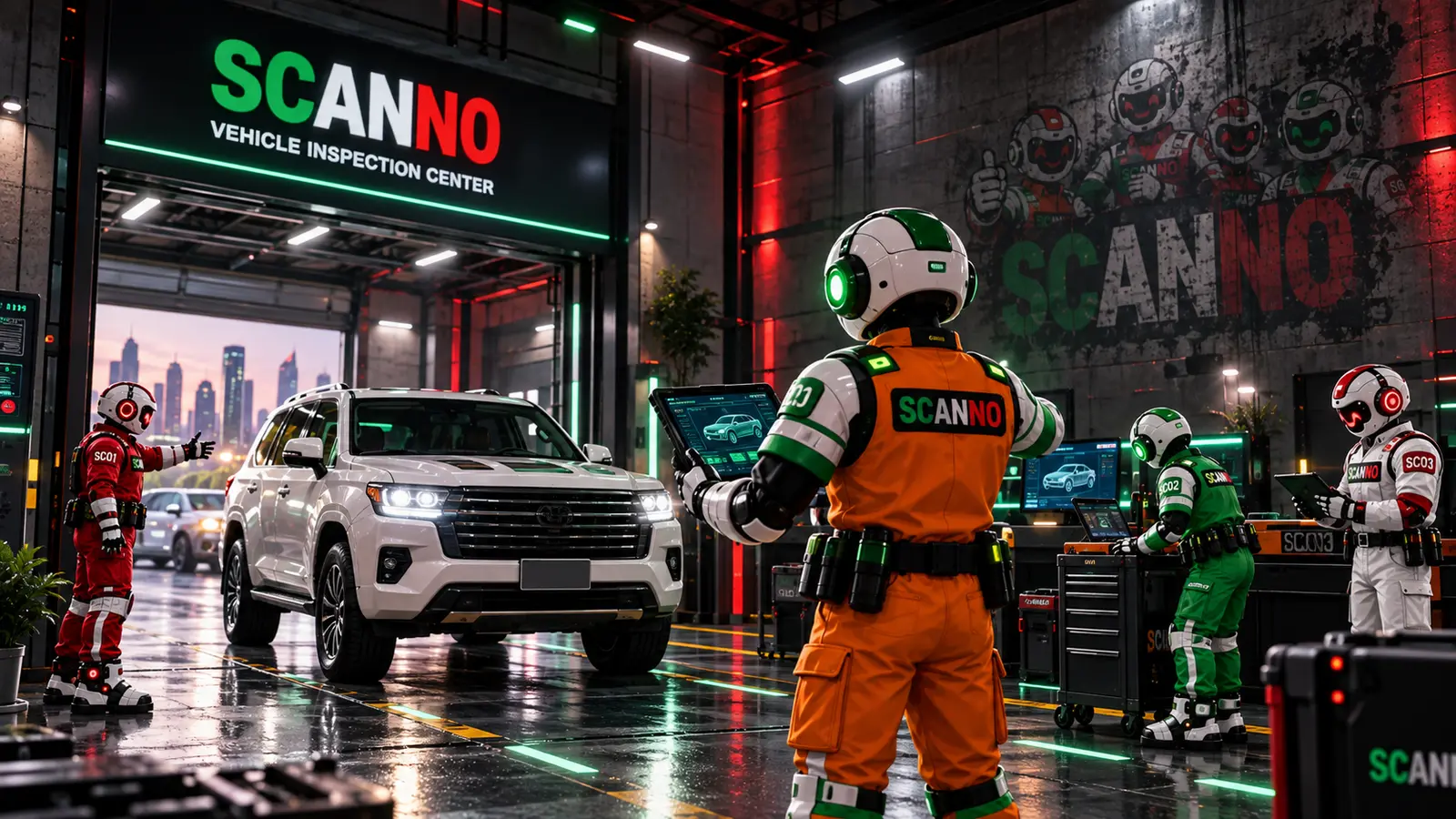
SCANNO is a vehicle inspection centre in Doha. We built the platform that turns an inspection from paper and one technician’s experience into a single digital report. The technician photographs the car and enters the device readings on a tablet, AI analyses them and proposes a 13-section report, the technician reviews and approves it, and the customer receives it on WhatsApp in Arabic or English and can ask an assistant about it.
One inspection, four steps
 01
Book
The customer chooses the inspection service and a time that suits them.
 02
Inspect
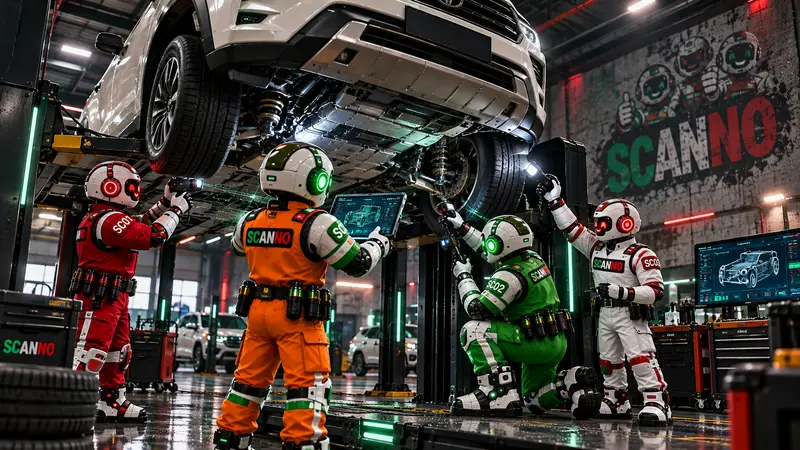
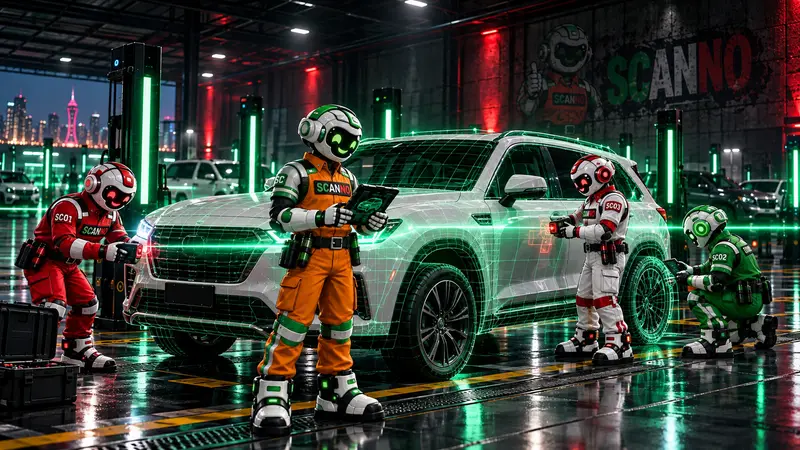
The technician checks the mechanical, electrical, body and structural condition of the car.
 03
Analyse
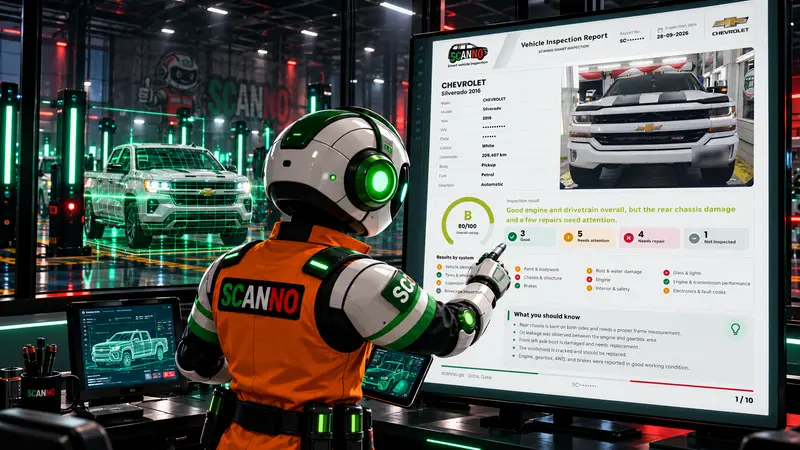
Notes, photos and device readings are organised by the AI and reviewed by the technician.
 04
Understand
The customer receives the findings in a form that makes the car’s condition easy to understand.
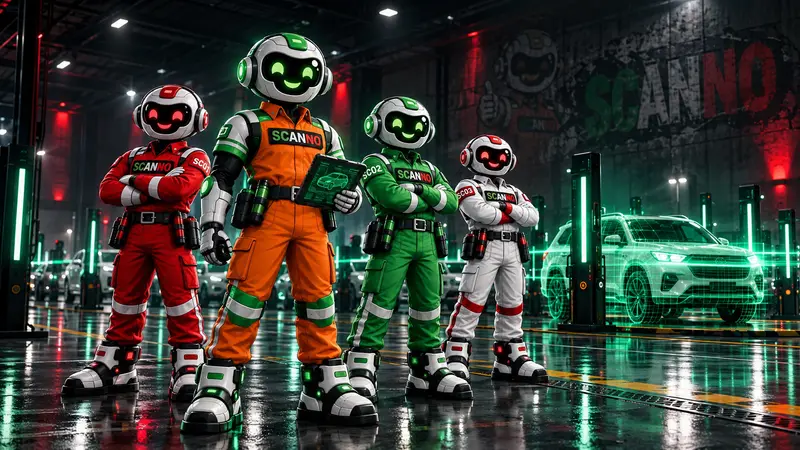
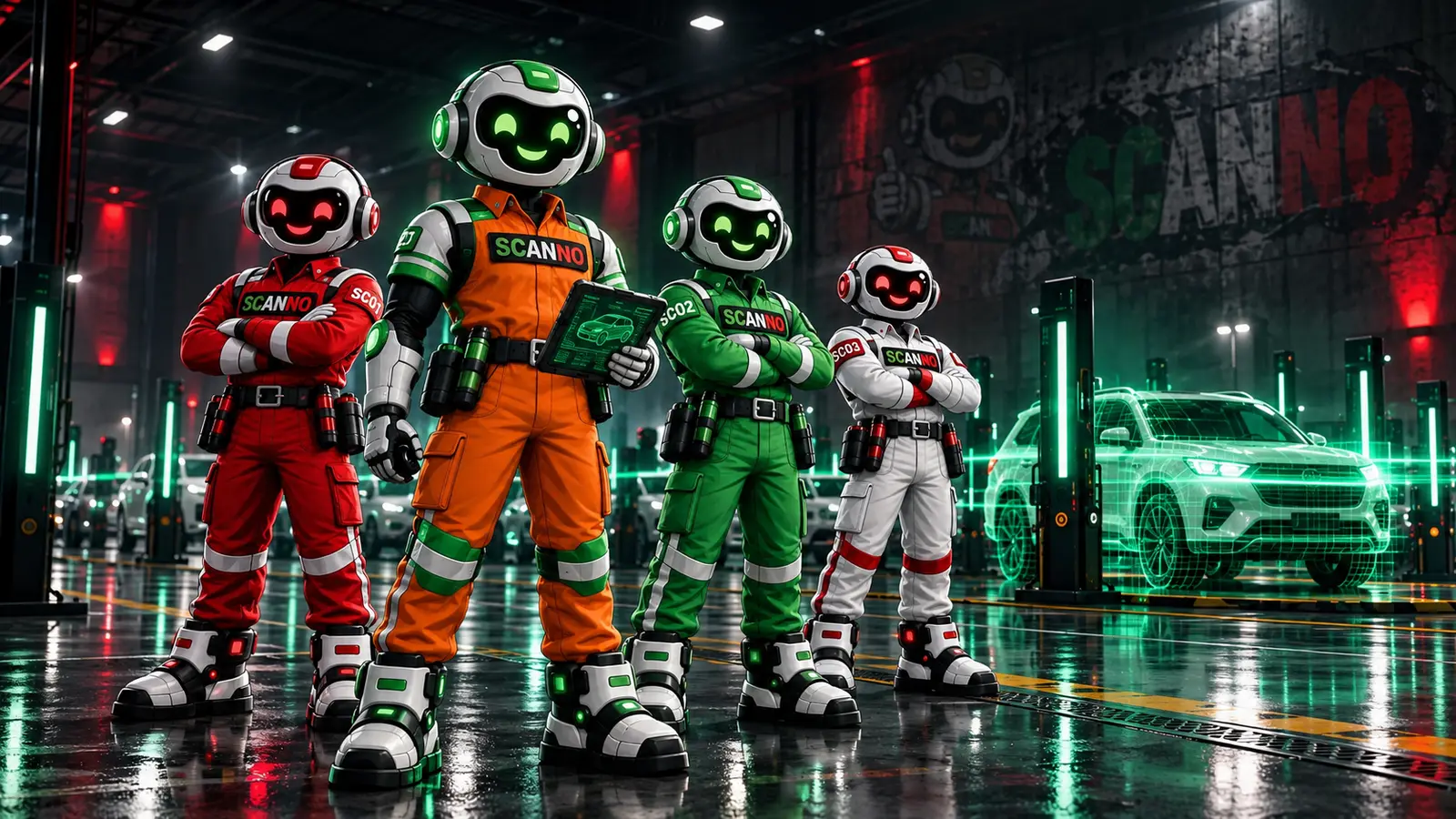
Illustrations from SCANNO’s brand material.
What the system was built to do
- 01One report structure, whichever technician does the inspection.
- 02A result the customer understands without being a mechanic.
- 03A lasting record for each car, to compare the next inspection with.
- 04A clear view for the owner of the quality of every inspection.
What changes for the centre and its customer
Less time spent writing
The technician reviews a drafted report instead of writing one from scratch, so the time goes to the car and not to the paperwork.
A faster answer for the customer
The report reaches the customer on WhatsApp once it is approved, in Arabic or English, with an assistant ready to explain it.
Findings backed by evidence
Every note is tied to a photo, a device reading or a fault code. A section that was not inspected is marked “not assessed” rather than guessed.
Checked against the car itself
The year, chassis number and odometer are compared with what the diagnostic device read from the car before the report is approved.
We describe how the work changes. We do not publish percentages that have not been measured.
AI at six points of the inspection
- 01
While photographing
Checks that each photo is the required shot and points out any visible defect.
- 02
Before the inspection
Prepares the known issues for the model and engine the diagnostic device identified.
- 03
Before the analysis
Reviews the technician’s notes and raises contradictions and gaps.
- 04
Analysis
Writes the technical report: 13 sections, scores, and notes tied to the photos and readings.
- 05
After approval
Writes the customer’s version in plain language, in Arabic and English.
- 06
With the customer
An assistant answers questions about that customer’s own report, and nothing else.
Car inspection
Ready



- CameraScan the VIN
- POSEIDONDecode the vehicle
- ATHENAKnown model faults
- DiagnosticsOBD and devices
- ORACLEAnalyse the findings
- ReportBuild the PDF report
- HERMESSend on WhatsApp
Run log
Press run to follow each step.
Illustrative workflows with sample data.
The technician decides
This is what separates the system from AI that simply prints a report.
- The technician inspects the car and enters every reading and photo.
- Any defect the AI sees in a photo needs the technician’s answer: add it, or it is wrong.
- Every urgent note in the analysis is confirmed or rejected by the technician before approval.
- Scores are a suggestion. The technician changes them, with a written reason.
- No report reaches a customer without a technician’s approval.
Guardrails we built around the AI
It does not invent
A section that was not inspected is written as “not assessed” instead of being guessed.
A photo is evidence for its own section
A picture of the diagnostic screen is never shown beside a note about the wipers.
The data must match
Year, chassis number and odometer are compared with what the diagnostic device read from the car.
The assistant has limits
It gives no prices, no repair times and no opinion on buying or selling, and it declines politely.
Privacy
The customer’s name and number are never sent to the model.
Cost under control
A daily and a monthly spending limit, with an alert.
No duplicates
The same car is not analysed twice by mistake.
The watchman
After every approval the owner gets a report of what the technician did and when, and what should have been done.
What running it taught us
- 01The AI mixes up left and right in photos, so it is no longer allowed to write the side. The technician does.
- 02One technician’s phone was sending photos to the model rotated. We found it by reviewing a real inspection.
- 03Two technicians inspected the same car at the same time and produced two different reports, so a warning now appears before the analysis.
- 04On a car whose computer had been replaced, the diagnostic device read a chassis number different from the one the technician typed. That comparison is now automatic.
- 05The assistant wrote the centre’s name wrongly in Arabic because its instructions were in English, so we added a guard on the name.
The general lesson: reviewing every real inspection after launch is what brings the problems out, not lab tests.
Technology
- Interface
- Next.js, React and Tailwind CSS
- Server
- Python and FastAPI
- Data
- PostgreSQL and Redis
- AI
- A different language model for each stage
- Reports
- PDF generated automatically, with a verification code on every report
- Diagnostic devices
- Fault codes and their status extracted from Autel report files
Your Next EmployeeMight Be an AI Team.
Tell us your goals and build the IX team that fits your business.
Prefer to talk first? WhatsApp Us · info@instanix.ae